
Solid-state EV batteries in India: India’s electric vehicle journey is closely tied to one critical component: the battery. While lithium-ion batteries have powered the first wave of EV adoption, the next phase is increasingly linked to solid-state battery technology. This next-generation battery is often described as safer, longer-lasting, and more energy-dense than today’s solutions.
For India, where EV adoption must balance cost, safety, climate resilience, and scale, solid-state batteries could play a transformational role. Although still under development, their influence is already shaping research priorities, investments, and long-term EV strategies across the country.
This article explains how solid-state EV batteries are shaping India’s EV industry, written in simple, practical language for everyday readers, EV buyers, and technology enthusiasts.
What Are Solid-State EV Batteries
Solid-state batteries replace the liquid electrolyte used in conventional lithium-ion batteries with a solid material. This fundamental change improves how energy is stored and managed inside the battery.
Key characteristics include
• Solid electrolyte instead of liquid
• Higher resistance to overheating
• Potentially higher energy density
• Reduced risk of leakage and fire
For Indian conditions, where high temperatures and dense urban usage are common, these characteristics are especially important.
Why India Is Paying Attention to Solid-State Batteries
India’s EV market is unique. Two-wheelers dominate, cost sensitivity is high, and vehicles are used intensively in hot and dusty environments.
Solid-state batteries are gaining attention in India because they promise
• Improved safety in high temperatures
• Longer battery life under heavy daily use
• Better range without increasing battery size
• Reduced dependence on imported materials over time
Even though mass adoption is still a few years away, planning for solid-state batteries is already influencing India’s EV roadmap.
Read Also: How Google Maps is Revolutionizing EV Road Trips in North America
How Solid-State Batteries Differ from Today’s Lithium-Ion Batteries
To understand their impact, it helps to compare them with existing lithium-ion batteries.
| Aspect | Lithium-Ion Battery | Solid-State Battery |
| Electrolyte | Liquid | Solid |
| Fire risk | Moderate | Very low |
| Energy density | Medium | High |
| Charging potential | Moderate | Higher |
| Lifespan | Good | Expected to be longer |
| Commercial use | Widespread | Emerging |
This difference explains why solid-state batteries are considered a long-term upgrade rather than a short-term replacement.
Role of Solid-State Batteries in India’s EV Vision
India aims to expand EV adoption across two-wheelers, passenger cars, buses, and commercial fleets. Solid-state batteries align with this vision by addressing key barriers such as safety concerns and long-term durability.
Government-backed research programs, academic institutions, and private companies are exploring how solid-state technology can be adapted for Indian needs rather than imported as-is from global markets.
Indian Companies and Institutions Working on Solid-State Technology
Several Indian players are investing in battery innovation, either directly or through partnerships.
Companies such as Tata Motors and Ola Electric have publicly highlighted advanced battery research as part of their long-term strategy. Research institutions and startups are also experimenting with solid electrolytes, cell design, and scalable manufacturing methods.
While most solid-state batteries used in early EVs globally may come from international collaborations, India’s focus is on local adaptation and eventual domestic manufacturing.
Safety Benefits for Indian Driving Conditions
One of the strongest advantages of solid-state batteries is safety.

Why Safety Matters in India
Indian EVs operate in
• High ambient temperatures
• Heavy traffic conditions
• Crowded residential areas
Solid-state batteries significantly reduce the risk of thermal runaway, which means fewer fire incidents and greater public confidence in EVs.
Impact on EV Range and Vehicle Design
Solid-state batteries can store more energy in the same physical space. This has major implications for Indian EVs.
How Higher Energy Density Helps
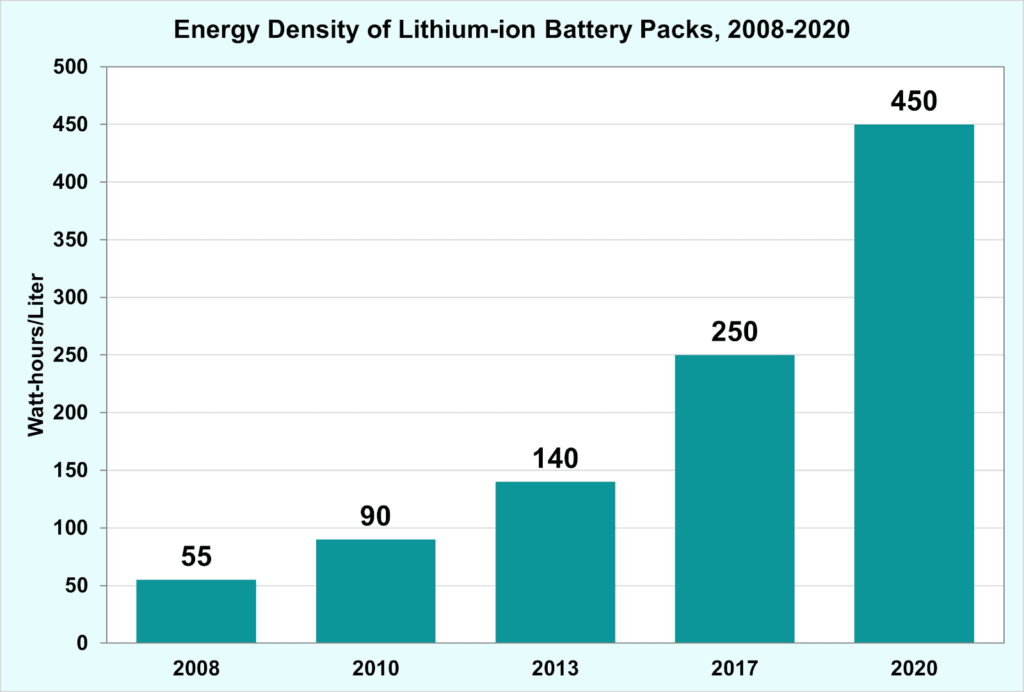
Benefits include
• Longer range without heavier batteries
• More compact battery packs for two-wheelers
• Better interior space in electric cars
• Improved vehicle balance and handling
For Indian two-wheelers, this could mean lighter scooters with better performance and longer real-world range.
Charging Speed and Convenience
Solid-state batteries are expected to support faster charging compared to conventional lithium-ion batteries.
What Faster Charging Means for India

Faster charging could
• Reduce dependence on large public charging networks
• Improve usability for apartment dwellers
• Support fleet and delivery EVs with high daily usage
However, charging infrastructure and standards must evolve alongside battery technology to realize these benefits.
Manufacturing Challenges in India
Despite their promise, solid-state batteries face significant hurdles.
Key challenges include
• High production cost
• Complex manufacturing processes
• Scaling laboratory success to mass production
• Ensuring consistent quality
India’s manufacturing ecosystem is still building capacity for advanced battery cells, which means solid-state batteries will likely appear first in premium or pilot EV programs.
Cost Considerations and Affordability
Affordability is crucial for India’s EV success.
In the short term
• Solid-state batteries will be expensive
• Limited to high-end or experimental vehicles
In the long term
• Costs are expected to fall with scale
• Local manufacturing can reduce imports
• Longer lifespan may lower total ownership cost
This means solid-state batteries could eventually become cost-effective even if initial prices are high.
Timeline: When Will Solid-State Batteries Reach Indian EVs
Solid-state batteries are not expected to replace lithium-ion batteries immediately.
Expected timeline
• Short term: Research, testing, pilot projects
• Mid term: Limited use in premium EVs
• Long term: Gradual mass-market adoption
For most Indian buyers, lithium-ion and LFP batteries will remain dominant for several years.
Environmental Impact and Sustainability
Solid-state batteries may improve sustainability by
• Using fewer flammable materials
• Supporting longer battery life
• Improving recyclability
However, sustainability depends on responsible sourcing, recycling systems, and clean energy use during manufacturing.
What This Means for Indian EV Buyers
For everyday buyers, solid-state batteries are more about future confidence than immediate decisions.
What buyers can expect
• Continuous safety improvements
• Gradual range and charging enhancements
• Better battery warranties over time
Consumers do not need to wait for solid-state batteries to buy an EV today. Current EVs are already suitable for daily use.
Read Also: How Government Incentives Support EV Charging in the USA
Common Myths About Solid-State EV Batteries
There are many misconceptions worth clearing up.
Myth1: Solid-state batteries will arrive next year
Reality: Mass adoption will take time.
Myth2: Current EVs will become obsolete
Reality: Existing EVs will remain usable and supported.
Myth3: Solid-state batteries solve all EV problems
Reality: They are a major improvement, not a perfect solution.
Frequently Asked Questions
Are solid-state batteries safer than lithium-ion
Yes, they have a much lower risk of fire.
Will solid-state batteries increase EV range
They are expected to improve range due to higher energy density.
Are any solid-state EVs available in India today
Not for mass-market buyers yet.
Will solid-state batteries reduce EV prices
Eventually, but not in the near term.
Should Indian buyers wait for solid-state batteries
No, current EV technology is already practical for most needs.
Conclusion – Solid-state EV batteries in India
Solid-state EV batteries are shaping India’s EV industry by influencing research priorities, safety standards, and long-term vehicle design, even before large-scale adoption begins. Their promise of higher safety, better range, and longer lifespan aligns well with India’s unique driving conditions and affordability goals.
While lithium-ion batteries will continue to dominate India’s EV market in the near future, solid-state technology represents the next major step forward. As research progresses and manufacturing capabilities improve, solid-state batteries are expected to play a meaningful role in India’s electric mobility future.
For now, their biggest impact is not immediate replacement, but setting the direction for how India builds safer, more efficient, and more resilient electric vehicles for the years ahead.
Related stories Keep reading
 EV Battery TechEV Battery Degradation Reality: How Much Range Do Electric Cars Lose After 5 Years and 100,000 km?Nov 5, 2026 · 6 min read
 EV Battery TechLFP vs NMC EV Batteries: Which Chemistry is Best for Indian Summers? Thermal Runaway, Cycle Life & DegradationNov 5, 2026 · 6 min read
 EV Battery TechUnderstanding C-Rate in EV Fast Charging: How 0.5C vs 3C Charging Speeds Impact Lithium Cell Lifespan & WarrantyOct 23, 2026 · 7 min read