
EV charging government incentives in the USA: The growth of electric vehicles in the United States depends not only on better cars but also on reliable and affordable charging access. To accelerate this transition, government incentives play a crucial role in expanding EV charging infrastructure across homes, workplaces, highways, and public spaces.
In 2026, a mix of federal, state, and local incentives continues to support EV charging adoption. These programs help reduce upfront costs, encourage private investment, and make charging more accessible for everyday drivers.
This article explains how government incentives support EV charging in the USA, written in clear, practical language for homeowners, renters, businesses, and EV beginners.
Why EV Charging Incentives Matter
Charging access is one of the most common concerns for people considering an electric vehicle. Without easy charging, even the best EV can feel impractical.
Government incentives help address this by
• Reducing the cost of installing chargers
• Encouraging businesses to offer public charging
• Supporting fast-charging networks along highways
• Helping underserved and rural areas gain access
• Speeding up nationwide EV adoption
Incentives do not make charging free, but they significantly lower barriers for individuals and organizations.
Federal Government Incentives for EV Charging
The US federal government supports EV charging primarily through tax credits, grants, and infrastructure programs.
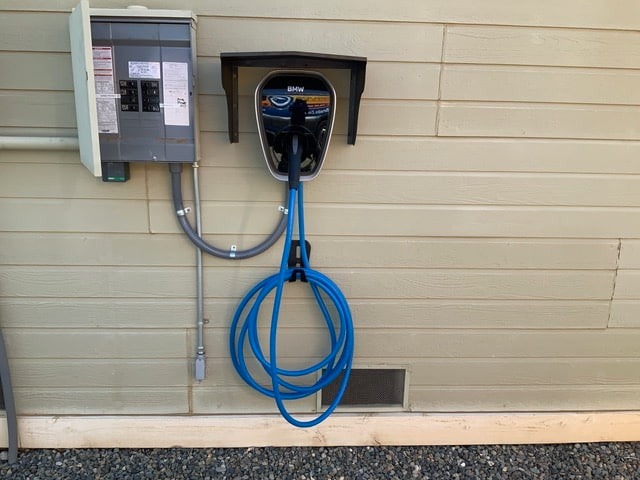
Federal Tax Credits for EV Chargers
Homeowners and businesses may qualify for a federal tax credit for installing EV charging equipment.
Key points
• Covers a percentage of charger and installation cost
• Applies to residential and commercial installations
• Subject to annual limits and eligibility rules
• Requires proper documentation
This credit helps offset the cost of installing Level 2 home chargers, which are the most common choice for overnight charging.
Read Also: New Compact EV Cars Launching in the USA in 2026
Federal Support for Public Charging Networks
The federal government also funds large-scale charging infrastructure through national programs.
These programs focus on
• Highway fast-charging corridors
• Public charging in cities and towns
• Rural and underserved communities
• Interoperable and reliable charging stations
The goal is to ensure EV drivers can travel long distances with confidence.
State-Level EV Charging Incentives
In addition to federal support, state governments play a major role in expanding EV charging.
Rebates and Grants
Many states offer rebates that reduce the upfront cost of installing EV chargers.
Common features
• Direct rebates for home chargers
• Incentives for apartment complexes and workplaces
• Grants for public charging projects
• Higher support in high-need areas
Rebate amounts and eligibility vary widely by state.
Utility Company Incentives
Electric utilities often partner with state programs to promote EV charging.
Utility incentives may include
• Reduced electricity rates for EV charging
• Bill credits for charger installation
• Rebates for smart chargers
• Managed charging programs to reduce grid strain
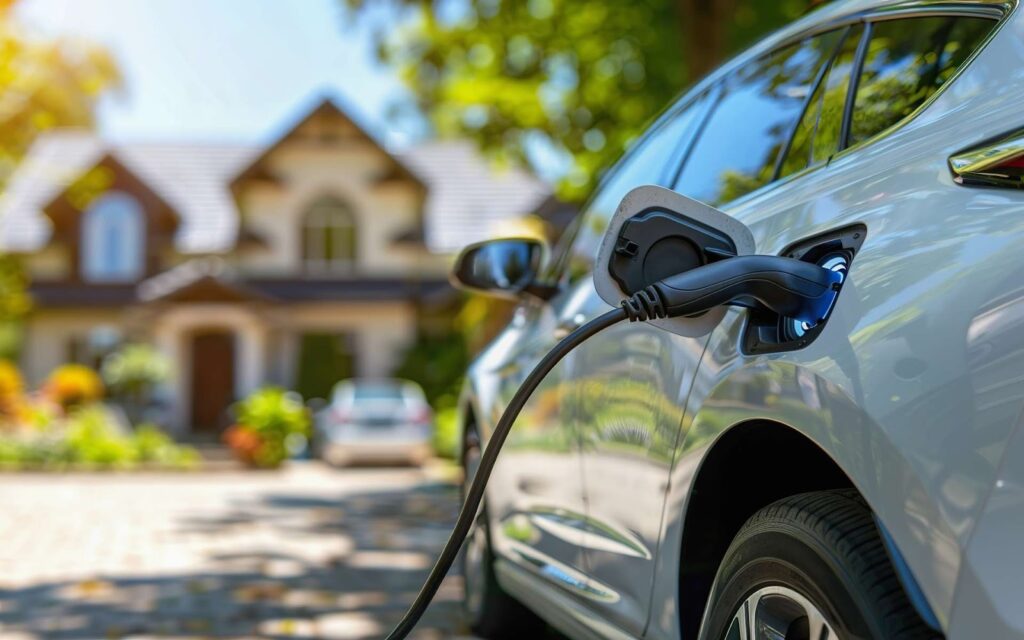
These programs help keep charging costs predictable for EV owners.
Local and City-Level Support
Cities and counties also contribute to EV charging expansion.
Local incentives often focus on
• Public parking lots and curbside chargers
• Municipal buildings and libraries
• Zoning support for new developments
• Faster permitting for charger installation
Local governments are especially important for expanding charging in dense urban areas.
How Incentives Support Home EV Charging
Home charging is the most convenient option for many EV owners.
Government incentives support home charging by
• Lowering installation costs
• Encouraging safer electrical upgrades
• Promoting smart chargers that manage energy use
With incentives applied, installing a Level 2 charger becomes more affordable for many households.
Support for Apartments and Multi-Family Housing
Renters and apartment residents often face challenges accessing charging.
To address this, incentives support
• Charger installation in apartment parking areas
• Workplace and shared charging solutions
• Policies that reduce approval barriers
These programs help make EV ownership possible beyond single-family homes.
Incentives for Businesses and Fleets
Businesses benefit from charging incentives in multiple ways.
Support includes
• Tax credits for commercial chargers
• Grants for fleet charging depots
• Incentives for workplace charging
• Support for delivery and service fleets
These incentives encourage companies to electrify vehicles and offer charging to employees and customers.
Fast Charging and Highway Infrastructure
Fast charging is essential for long-distance travel.
Government incentives prioritize
• DC fast chargers along major highways
• Reliable uptime and maintenance standards
• Clear pricing and accessibility
• Compatibility across EV brands
This focus reduces range anxiety and supports nationwide EV travel.
Eligibility and Requirements
Incentives are not automatic. Eligibility depends on several factors.
Common requirements include
• Approved charger equipment
• Licensed electrical installation
• Compliance with safety and building codes
• Proper documentation and receipts
Checking program rules before installation helps avoid surprises.
How Incentives Affect Charging Costs
While incentives reduce upfront costs, ongoing charging expenses still depend on electricity rates and usage patterns.
Typical cost benefits
• Lower initial investment
• Faster return on investment for businesses
• More predictable long-term charging expenses
Incentives make charging more affordable, but they do not eliminate energy costs.
Challenges and Limitations
Despite strong support, challenges remain.
Key limitations
• Incentives vary widely by state
• Programs may have funding caps
• Application processes can be complex
• Rural coverage is still developing
Understanding these limits helps set realistic expectations.
What This Means for EV Drivers
For EV owners, charging incentives translate into better access and lower barriers.
Practical benefits
• Easier home charger installation
• More public charging options
• Better coverage for road trips
• Increased confidence in EV ownership
Charging availability improves steadily as incentives drive investment.
Read Also: BMW CE 04: Redefining Urban Electric Mobility with Futuristic Design and Premium Performance
Common Myths About EV Charging Incentives
Myth1: Charging incentives make charging free
Reality: They reduce costs but do not eliminate them.
Myth2: Only homeowners qualify
Reality: Businesses, apartments, and fleets also benefit.
Myth3: Incentives are too complex to use
Reality: Many programs are straightforward with proper guidance.
Frequently Asked Questions
Are EV charging incentives available in all states
Most states offer some form of support, but programs vary.
Can renters benefit from charging incentives
Yes, especially through workplace or apartment programs.
Do incentives apply to fast chargers
Yes, many programs focus on fast-charging infrastructure.
Are incentives permanent
Most programs are time-limited and subject to funding.
Should I install a charger now or wait
If incentives are available, installing sooner can be beneficial.
Conclusion
Government incentives play a vital role in supporting EV charging in the USA. By reducing installation costs, encouraging public and private investment, and expanding charging access nationwide, these programs make electric vehicles more practical for millions of drivers.
While incentives do not solve every challenge, they significantly accelerate charging infrastructure growth. For homeowners, businesses, and communities, understanding and using available incentives can make EV charging more accessible, affordable, and reliable.
As EV adoption continues to rise, government-supported charging incentives will remain a key foundation of the United States’ transition to cleaner and more efficient transportation.
Related stories Keep reading
 EV Charging StationHow to Start a Commercial EV Charging Station Business in India: Setup Cost, DISCOM Sanction, Land & ROI MathOct 24, 2026 · 7 min read
 EV Charging StationType 2 AC vs CCS2 DC Fast Charging: Connectors Explained, Pin Wiring, Charging Curves & Compatibility GuideOct 24, 2026 · 7 min read
 EV Charging StationUltra-Fast and Wireless EV Charging Technology: The Future of Electric MobilityJan 2, 2026 · 8 min read
Pingback: How Solid-State EV Batteries Are Shaping India’s EV Industry - evfacts.in
Pingback: Top Family-Friendly EV Minivans in the USA - evfacts.in