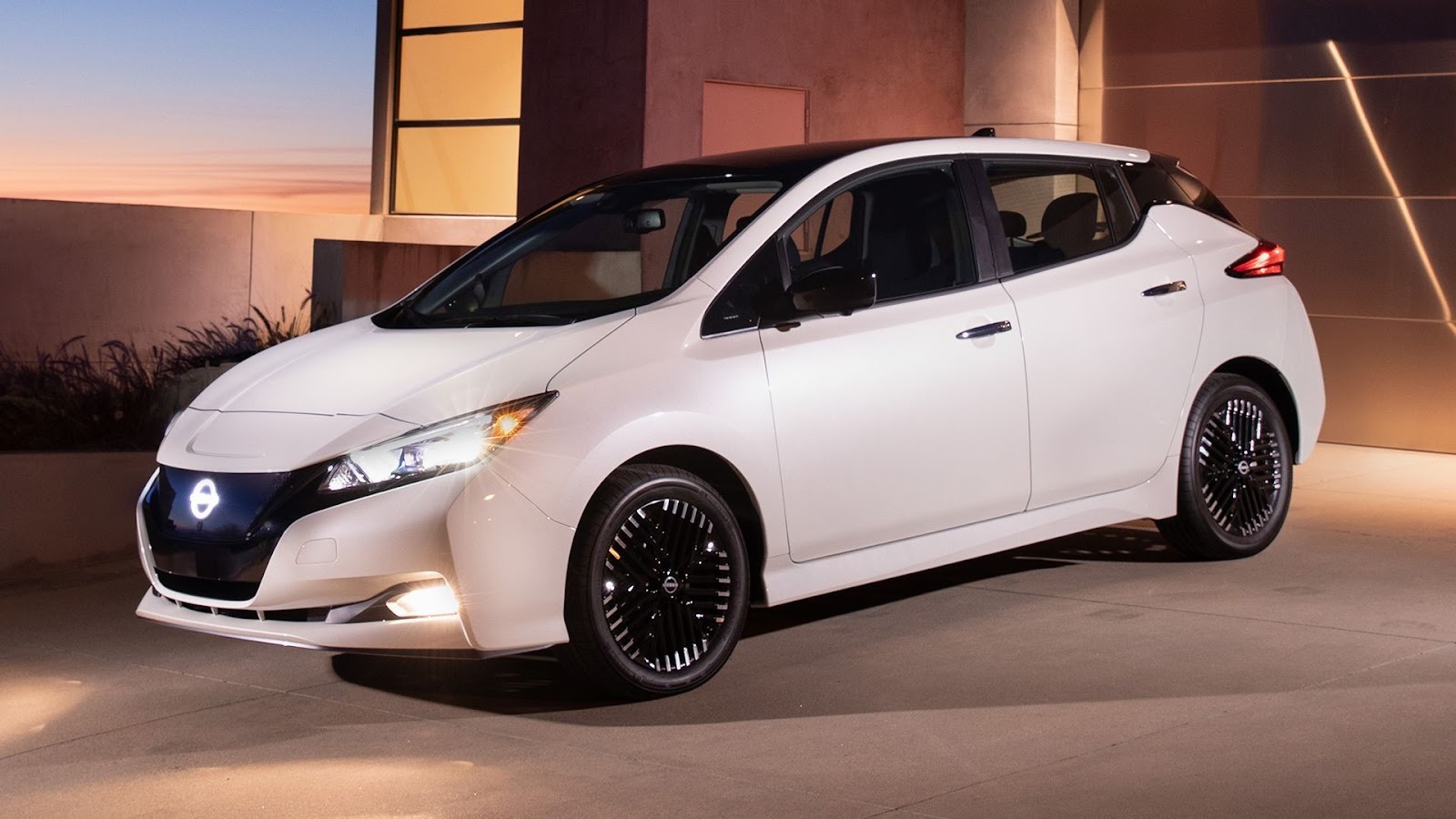
Smaller, smarter electric cars are arriving with better range, fair pricing, and everyday usability for modern drivers.
Introduction: Why Compact EVs Matter in 2026
Electric vehicles are no longer limited to large SUVs or premium sedans. Many drivers—especially city commuters, first-time EV buyers, and environmentally conscious households—are asking a simple question: Is there a smaller, affordable EV that fits real daily life?
The answer in 2026 is increasingly yes.
Automakers are focusing on compact electric cars that are easier to park, cheaper to maintain, and more energy-efficient than larger EVs. These vehicles are designed for short commutes, urban driving, and households looking for a practical second car—without sacrificing modern safety, connectivity, or driving comfort.
This guide explains new compact EV cars launching in the USA, what to expect from them, how they compare, and how to decide if a compact EV is right for you.
What Is a Compact EV? (Simple Explanation)
A compact EV is a small-to-medium-size electric car designed for efficiency and daily use. Compared to electric SUVs or trucks, compact EVs typically offer:
- Shorter body length for easier city driving
- Lower battery capacity but better energy efficiency
- Lower purchase price and running costs
- Faster charging due to smaller batteries
Most compact EVs are ideal for:
- Daily commutes under 50 miles
- Urban and suburban driving
- First-time EV owners
- Budget-conscious buyers
Why 2026 Is a Turning Point for Compact EVs
Several factors make 2026 a key year for compact electric cars in the USA:
1. Battery Costs Are Stabilizing
Battery technology has improved, and manufacturing scale has reduced costs. This allows automakers to price compact EVs more competitively.
2. Charging Infrastructure Is Expanding
Public charging networks in the USA are growing steadily, making compact EV ownership easier for apartment dwellers and city drivers.
3. Demand for Affordable EVs
Many buyers want EVs priced closer to traditional gasoline cars. Compact EVs help bridge this gap.
4. Stricter Emission Goals
Automakers are launching smaller EVs to meet long-term environmental targets without forcing buyers into expensive models.
New Compact EV Cars Launching in the USA (2026 Overview)
Below are notable compact EV models expected to launch or re-launch in the USA around 2026. Availability may vary by state and production timelines.
1. Chevrolet Compact EV (Next-Gen Bolt Platform)
Chevrolet has confirmed a next-generation compact EV built on its newer electric platform, positioned as a practical and affordable option.
What to expect:
- Estimated range: 250–300 miles
- Improved fast charging over previous models
- Focus on value and daily usability
- Designed for mass-market buyers
This model targets drivers who want a simple, dependable electric car without premium pricing.
2. Hyundai Compact Electric Hatchback (Updated Kona EV Segment)
Hyundai continues expanding its compact EV lineup with refreshed designs and improved interiors.
Key highlights:
- Comfortable ride quality
- Balanced performance and efficiency
- Strong safety feature package
- Competitive warranty coverage
Hyundai’s compact EVs often appeal to buyers looking for a well-rounded ownership experience rather than extreme performance.
3. Kia Small Electric Crossover (EV3-Class Vehicle)
Kia has announced plans to introduce a smaller electric crossover positioned below its larger EV models.
Expected features:
- Compact size with crossover styling
- Practical interior space
- Modern infotainment system
- Efficient battery performance
This model is expected to attract younger buyers and small families.
4. Tesla Entry-Level Compact EV (Expected)
Tesla has publicly discussed the idea of a lower-cost compact EV, though details remain limited.
Industry expectations (not confirmed):
- Smaller size than current Tesla models
- Focus on affordability
- Tesla software and charging network access
If launched, this vehicle could significantly impact the compact EV market—but buyers should wait for official specifications.
5. Volkswagen Small EV for Urban Markets
Volkswagen is developing compact EVs globally, and some models may reach the USA by 2026.
Strengths may include:
- Solid build quality
- Conservative design
- Comfortable ride
- Familiar driving feel
Compact EV Comparison Table (Expected 2026 Range)
| Feature | Compact EV Average |
| Real-World Range | 220–300 miles |
| Battery Size | 45–65 kWh |
| DC Fast Charging | 25–35 minutes (10–80%) |
| Home Charging (Level 2) | 6–8 hours |
| Seating Capacity | 4–5 passengers |
| Ideal Use Case | City + daily commute |
Note: Specifications vary by model and driving conditions.
Running Costs: Compact EV vs Gasoline Car
| Cost Area | Compact EV | Gasoline Car |
| Fuel/Energy | Lower (electricity) | Higher (fuel prices vary) |
| Maintenance | Fewer moving parts | Regular engine service |
| Oil Changes | Not required | Required |
| Brake Wear | Reduced (regen braking) | Higher wear |
| Annual Service | Generally lower | Moderate |
Compact EVs do not eliminate costs, but they typically reduce routine maintenance compared to gasoline vehicles.
Charging Compact EVs: What Owners Should Know
Charging a compact EV is straightforward, but expectations matter.
Home Charging
- Most owners use Level 2 home chargers
- Overnight charging is common
- Ideal for daily driving routines
Public Charging
- DC fast chargers are useful for road trips
- Compact EVs charge faster due to smaller batteries
- Charging availability depends on location
Real-world tip: If you drive under 40 miles daily, home charging alone is usually sufficient.
Pros and Cons of Compact EV Cars
Advantages
- Easier to drive and park
- Lower purchase and running costs
- Better efficiency per mile
- Quiet and smooth driving
Limitations
- Smaller cargo space
- Less powerful than larger EVs
- Not ideal for towing
- Highway range drops at high speeds
Compact EVs are best viewed as practical daily tools, not all-purpose vehicles.
Who Should Buy a Compact EV in 2026?
Compact EVs are ideal if you:
- Commute daily in cities or suburbs
- Want predictable running costs
- Prefer smaller, easy-to-drive cars
- Plan to charge mostly at home
They may not suit drivers who:
- Frequently tow heavy loads
- Drive long highway distances daily
- Need maximum cargo space
Environmental Impact: A Balanced View
Compact EVs generally produce lower lifetime emissions than gasoline cars, especially when charged using cleaner electricity sources. However:
- Battery production has environmental costs
- Benefits increase with longer ownership
- Recycling infrastructure is improving
The environmental advantage is real but gradual, not instant.
Buying Tips for First-Time Compact EV Buyers
- Check real-world range, not just official figures
- Confirm home charging installation options
- Compare warranty coverage (battery warranty matters)
- Test drive for seating comfort and visibility
- Review local charging availability
Frequently Asked Questions (FAQ)
1. Are compact EVs suitable for highway driving?
Yes, but efficiency drops at high speeds. They perform best in mixed city use.
2. How long do compact EV batteries last?
Most are designed to last 8–12 years with gradual capacity loss.
3. Are compact EVs safe?
Yes. They meet the same safety standards as other modern vehicles.
4. Do compact EVs work in cold climates?
Yes, though cold weather reduces range slightly.
5. Is home charging mandatory?
No, but it makes ownership far more convenient.
6. Will compact EV prices drop further after 2026?
Prices may stabilize as production increases, but exact trends depend on market conditions.
Conclusion: Are Compact EVs Worth It in 2026?
Compact electric cars launching in the USA in 2026 represent a meaningful shift toward accessible, practical electric mobility. They are not luxury vehicles or performance machines—but they don’t need to be.
For daily commuters, city drivers, and first-time EV owners, compact EVs offer:
- Sensible pricing
- Lower operating costs
- Simple charging routines
- Reduced environmental impact
If your driving habits align with their strengths, a compact EV in 2026 can be a smart, future-ready choice—balanced, efficient, and designed for real life rather than marketing promises.
As the EV market matures, compact electric cars are no longer a compromise. They are becoming the default choice for practical electric driving.