
Low-cost EV battery options available in India: Electric vehicles are becoming common across Indian roads, from electric scooters and bikes to cars and commercial fleets. While EVs reduce fuel and maintenance expenses, battery cost remains one of the biggest concerns for buyers and owners. Many people worry about how expensive battery replacement might be and whether affordable options actually exist.
The good news is that low-cost EV battery options are now available in India, especially for two-wheelers and entry-level electric cars. Battery prices are gradually coming down due to better technology, local manufacturing, and competition.
This article explains affordable EV battery options in India in simple language. It covers battery types, price ranges, lifespan, warranty, real-world usage, and practical tips to reduce battery-related expenses.
Why EV Battery Cost Matters in India
For most EVs, the battery is the single most expensive component. In some cases, it can account for 30 to 45 percent of the vehicle’s total price. That is why understanding battery options is important both before buying an EV and during long-term ownership.
Key reasons battery cost matters
• Impacts vehicle price and resale value
• Affects long-term ownership cost
• Influences charging habits and daily range
• Determines replacement and upgrade decisions
As EV adoption grows in India, manufacturers are focusing on affordable battery solutions without compromising basic safety and reliability.
Common Types of EV Batteries Used in India
Different EVs use different battery chemistries. Each type has its own cost, lifespan, and performance characteristics.
Lithium-Ion Batteries
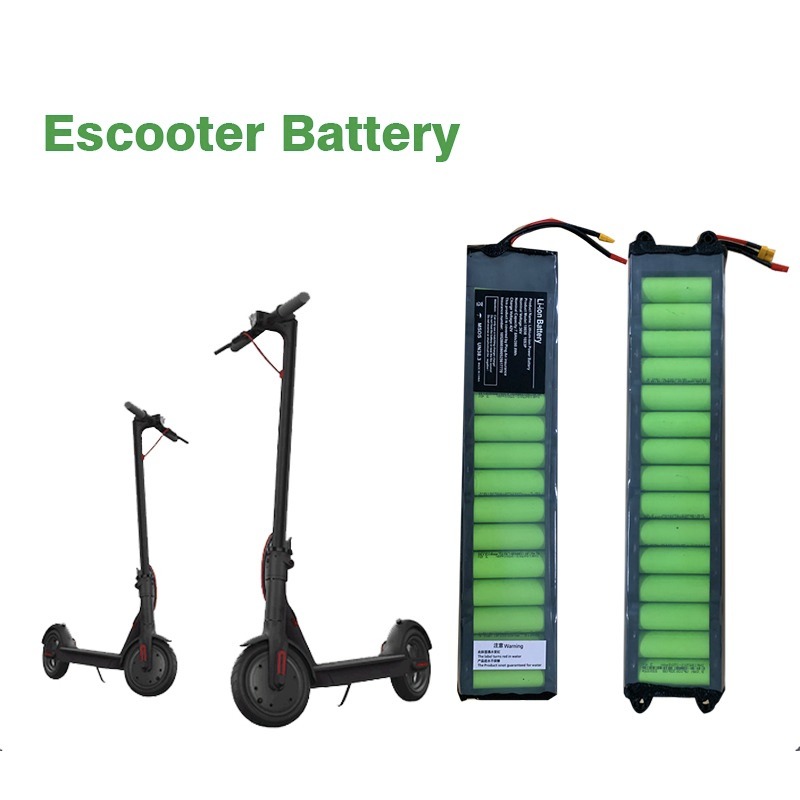
Lithium-ion batteries are the most widely used batteries in Indian EVs today.
Why they are popular
• High energy density
• Lightweight design
• Good charging efficiency
• Longer lifespan compared to older technologies
Lithium-ion batteries are commonly found in electric scooters, bikes, and cars from brands like Ola Electric, Ather Energy, and Tata Motors.
Read Also: Upcoming Luxury EV Cars for the USA Market in 2026
Lithium Iron Phosphate Batteries (LFP)
LFP batteries are gaining popularity as a lower-cost and safer alternative.
Key advantages
• Lower cost due to cobalt-free chemistry
• Better thermal stability
• Longer charge cycle life
• Reduced fire risk
LFP batteries are increasingly used in electric cars and commercial EVs, especially where durability matters more than maximum range.
Lead-Acid Batteries
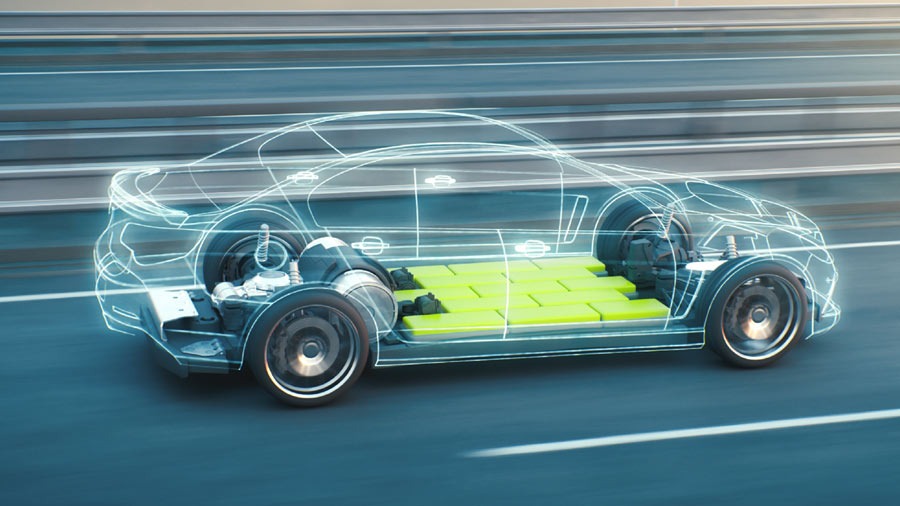
Lead-acid batteries were used in early electric scooters and still exist in a few low-speed models.
Pros
• Very low initial cost
• Easy availability
Cons
• Heavy weight
• Short lifespan
• Lower range
• Slower charging
Because of these limitations, lead-acid batteries are gradually being phased out.
Low-Cost EV Battery Options in India (2026 Overview)
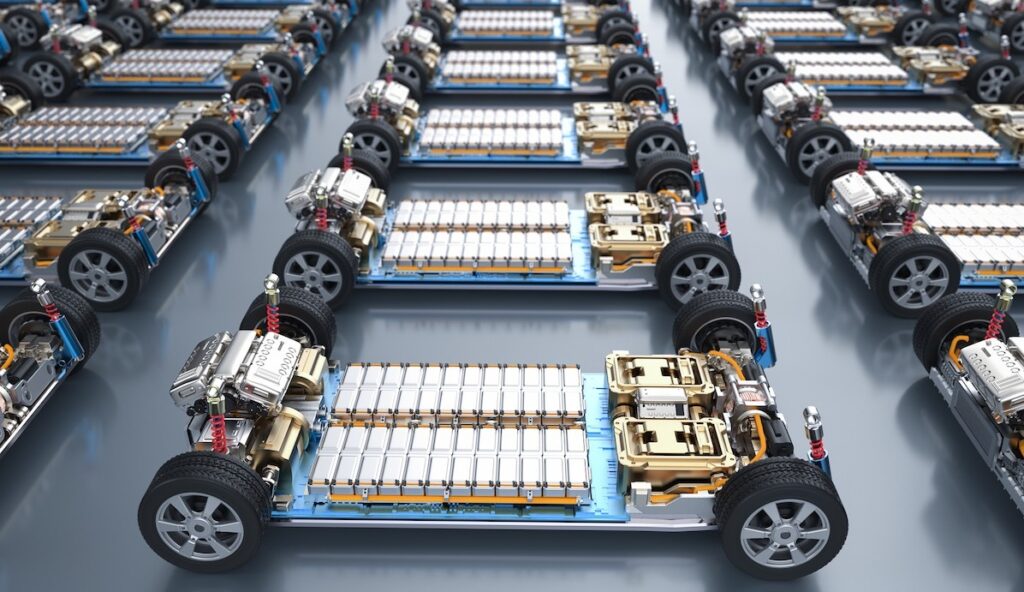
Below is a practical overview of affordable EV battery options available in India, especially for two-wheelers and budget-focused EV users.
Battery Price Ranges in India
Battery prices vary by chemistry, capacity, and brand.
| Battery Type | Capacity | Approx Price Range |
| Lithium-Ion (2W) | 2–3 kWh | ₹35,000–₹65,000 |
| Lithium-Ion (2W) | 3–4 kWh | ₹60,000–₹90,000 |
| LFP (Car / Fleet) | 15–25 kWh | ₹2.5–₹4.5 lakh |
| Lead-Acid (2W) | 1.5–2 kWh | ₹20,000–₹35,000 |
Prices depend on brand, warranty, and battery management system quality.
Affordable EV Battery Options for Two-Wheelers
Electric scooters and bikes offer the most affordable battery options in India.
Popular characteristics
• Smaller battery packs (2–4 kWh)
• Lower replacement cost
• Home charging compatibility
• Widespread service availability
Many manufacturers design batteries to last the typical ownership cycle, reducing the need for early replacement.
Battery Swapping as a Low-Cost Alternative
Battery swapping is emerging as a cost-saving solution in some Indian cities.
How it helps
• No upfront battery ownership
• Pay-per-use or subscription model
• Reduced replacement worry
• Faster energy refill than charging
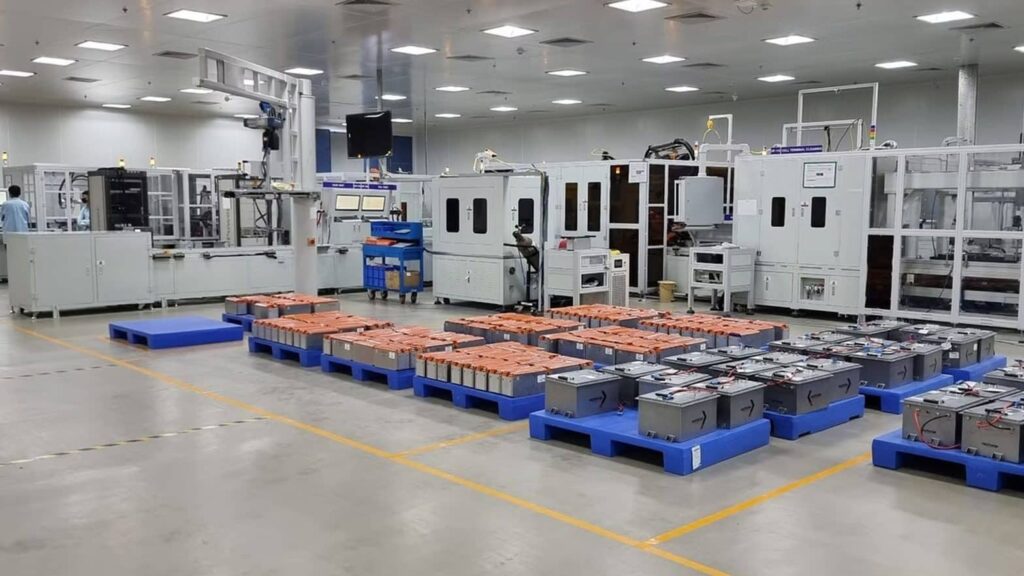
Battery swapping works best for delivery fleets and high-usage commuters.
Lifespan of Affordable EV Batteries
Battery life depends on usage, charging habits, and climate.
Typical lifespan in Indian conditions
• Lithium-ion batteries: 5 to 8 years
• LFP batteries: 7 to 10 years
• Lead-acid batteries: 2 to 3 years
Most modern EV batteries are designed to retain 70 to 80 percent capacity even after several years.
Warranty Coverage and Cost Protection
Battery warranty plays a major role in reducing ownership risk.
Common warranty terms
• 3 to 5 years standard warranty
• 60,000 to 1,00,000 km coverage
• Coverage against manufacturing defects
Some brands offer extended battery warranty at an additional cost, which can be useful for long-term owners.
How Indian Manufacturing Is Reducing Battery Costs
India is investing heavily in local battery production and assembly.
Benefits of local manufacturing
• Lower import dependence
• Reduced logistics cost
• Faster service support
• More competitive pricing
Government incentives and private investment are helping bring battery prices down gradually.
Running Cost Comparison: EV Battery vs Petrol Engine
| Expense Type | EV Battery Vehicle | Petrol Vehicle |
| Fuel or energy | Lower | High petrol cost |
| Routine maintenance | Low | High |
| Major component replacement | Battery (long-term) | Engine parts |
| Cost predictability | High | Low |
Even with battery replacement, EVs can remain cost-effective over long-term use.
Tips to Extend Battery Life and Reduce Cost
Simple habits can significantly reduce battery-related expenses.
• Avoid frequent full discharges
• Do not charge to 100 percent daily unless needed
• Park in shaded or indoor areas
• Use manufacturer-approved chargers
• Follow recommended service schedules
Good charging discipline improves battery lifespan and performance.
Who Should Focus on Low-Cost EV Battery Options
Affordable battery options are ideal for
• Electric scooter owners
• Daily city commuters
• Fleet operators
• Budget-conscious EV buyers
• Users planning long-term ownership
Buyers looking for luxury EVs or long-range touring vehicles may prioritize performance over cost.
Common Myths About Cheap EV Batteries
Many misconceptions exist.
Myth1: Low-cost batteries are unsafe
Reality: Safety depends on battery management systems and quality control, not just price.
Myth2: Battery replacement is frequent
Reality: Most batteries last several years with proper care.
Myth3: Affordable batteries mean poor range
Reality: Range depends on capacity, not cost alone.
Read Also: Top Family-Friendly EV Minivans in the USA
Frequently Asked Questions
Are low-cost EV batteries reliable
Yes, if sourced from reputable manufacturers with proper warranty.
Can I replace my EV battery with a cheaper third-party option
This depends on vehicle compatibility and warranty conditions.
Are refurbished EV batteries available in India
Refurbished batteries exist mainly for commercial use but are limited for private buyers.
Will EV battery prices drop further
Prices are expected to decline gradually as technology and scale improve.
Is LFP battery cheaper than lithium-ion
LFP is a type of lithium-ion battery and is usually cheaper than nickel-based variants.
Conclusion
Low-cost EV battery options available in India are making electric mobility more accessible than ever. With lithium-ion and LFP batteries becoming more affordable, and local manufacturing improving supply, battery replacement is no longer as intimidating as it once was.
For most two-wheeler owners and budget-focused EV buyers, affordable battery solutions provide reliable performance, acceptable range, and predictable ownership costs. While battery technology will continue to evolve, today’s low-cost EV batteries are already practical for daily Indian driving conditions.
By choosing the right battery type, understanding warranty coverage, and following good charging habits, EV owners in India can confidently manage battery costs and enjoy the long-term benefits of electric mobility.
Related stories Keep reading
 EV Battery TechEV Battery Degradation Reality: How Much Range Do Electric Cars Lose After 5 Years and 100,000 km?Nov 5, 2026 · 6 min read
 EV Battery TechLFP vs NMC EV Batteries: Which Chemistry is Best for Indian Summers? Thermal Runaway, Cycle Life & DegradationNov 5, 2026 · 6 min read
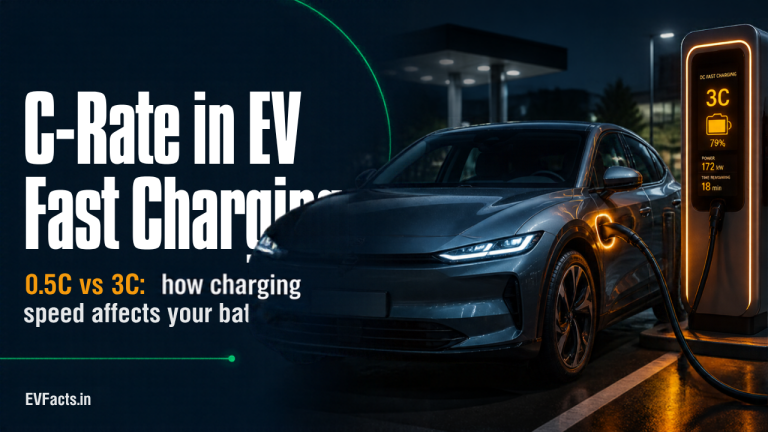 EV Battery TechUnderstanding C-Rate in EV Fast Charging: How 0.5C vs 3C Charging Speeds Impact Lithium Cell Lifespan & WarrantyOct 23, 2026 · 7 min read