
Next-generation EV battery technology in the USA: Electric vehicles in the United States are evolving rapidly, but at the heart of every EV is one critical component: the battery. While motors, software, and charging networks continue to improve, battery technology is the single biggest factor shaping EV price, range, safety, and long-term reliability.
In recent years, the USA has seen major investment in next-generation EV battery technology, driven by automakers, startups, universities, and government-backed research programs. By 2026 and beyond, these advancements are expected to make EVs more affordable, safer, and better suited to real-world driving needs.
This article explains next-generation EV battery technology in the USA in simple, clear language. It covers how batteries are changing, which technologies matter most, their benefits and limitations, and what they mean for everyday EV buyers.
Why EV Battery Technology Matters More Than Ever
Batteries determine how far an EV can drive, how fast it charges, how long it lasts, and how safe it is in extreme conditions. Early EVs proved electric driving was possible, but newer batteries aim to make it practical for everyone.
Key challenges new battery technologies aim to solve include
• High battery cost
• Long charging times
• Range anxiety
• Performance loss in cold or hot weather
• Environmental impact of raw materials
The USA is focusing on battery innovation to reduce dependence on imports, strengthen domestic manufacturing, and support long-term EV adoption.
Read Also: Future EV Battery Innovations in India
How EV Batteries Have Evolved So Far
Most EVs on US roads today use lithium-ion batteries, similar in basic chemistry to those found in smartphones and laptops but much larger and more complex.
Over time, improvements have included
• Higher energy density for longer range
• Better thermal management systems
• Improved safety controls
• Longer battery lifespan
However, traditional lithium-ion batteries still rely heavily on materials like cobalt and nickel, which are expensive and supply-chain sensitive. This is where next-generation technologies come in.

Major Next-Generation EV Battery Technologies in the USA
Below are the most important battery technologies shaping the future of EVs in the United States.
Solid-State Batteries
Solid-state batteries replace the liquid electrolyte found in conventional lithium-ion batteries with a solid material. This change has major implications for safety and performance.
Key advantages
• Higher energy density, meaning longer driving range
• Reduced fire risk compared to liquid electrolytes
• Potential for faster charging
• Longer battery lifespan
Key challenges
• High manufacturing cost
• Scaling production for mass-market vehicles
• Long-term durability testing
Several US automakers and technology firms are investing heavily in solid-state research, viewing it as a long-term solution rather than an immediate replacement.
Lithium Iron Phosphate Batteries (LFP)
LFP batteries are already in use but are considered next-generation in the US market due to increasing adoption.
Why LFP is important
• Lower cost due to cobalt-free chemistry
• Improved thermal stability and safety
• Longer charge cycle life
• Better suitability for entry-level and fleet EVs
Limitations
• Slightly lower energy density than nickel-based batteries
• Reduced performance in extreme cold conditions
Many US manufacturers are turning to LFP batteries to reduce costs and improve supply stability.
Sodium-Ion Batteries
Sodium-ion batteries are an emerging alternative that replaces lithium with sodium, a far more abundant material.
Potential benefits
• Lower raw material cost
• Reduced dependence on lithium supply
• Better performance in cold climates
• Environmentally friendlier material sourcing
Current limitations
• Lower energy density than lithium-based batteries
• Still in early development stages
• Limited commercial availability
US research institutions are exploring sodium-ion batteries for future applications, especially for affordable EVs and energy storage.
Silicon-Anode Battery Technology
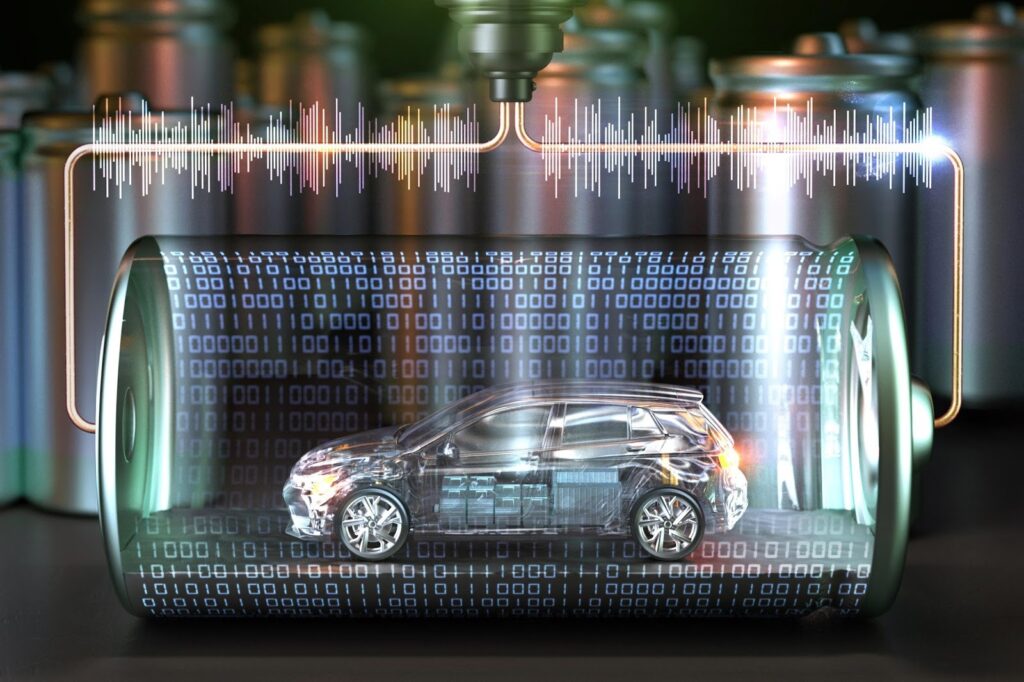
Traditional lithium-ion batteries use graphite anodes. Silicon-anode batteries replace part of the graphite with silicon to store more energy.
Advantages
• Increased energy density
• Potential for longer range without increasing battery size
• Compatible with existing manufacturing lines
Challenges
• Silicon expansion during charging can cause degradation
• Engineering solutions are still being refined
Several US startups are working on silicon-enhanced batteries as a near-term improvement to existing lithium-ion systems.
Battery Recycling and Second-Life Technology
Next-generation battery technology is not just about new chemistry. It also includes how batteries are reused and recycled.
Key developments in the USA
• Advanced recycling methods to recover lithium, nickel, and cobalt
• Second-life use of EV batteries for grid storage
• Reduced environmental impact over a battery’s full lifecycle
Recycling technology plays a major role in making EVs more sustainable long-term.
Comparison of Next-Generation EV Battery Technologies
| Battery Type | Cost Potential | Safety | Energy Density | Commercial Readiness |
| Solid-State | Medium to High | Very High | Very High | Future-focused |
| LFP | Low | High | Medium | Widely available |
| Sodium-Ion | Very Low | High | Low to Medium | Early-stage |
| Silicon-Anode | Medium | Medium | High | Near-term |
This table shows that no single battery technology is perfect. Each serves different vehicle types and buyer needs.
Role of the USA in Global EV Battery Development
The United States is investing heavily in domestic battery manufacturing and research. This includes funding for battery plants, support for innovation, and partnerships between automakers and technology firms.
Goals include
• Reducing reliance on imported battery materials
• Creating domestic manufacturing jobs
• Improving national energy security
• Accelerating EV adoption
These efforts are expected to make EV batteries more affordable and accessible over time.
What This Means for EV Buyers
For consumers, next-generation battery technology brings several real-world benefits.
Short-term impact
• Lower EV prices through LFP adoption
• Improved safety and reliability
• Longer warranties and better durability
Long-term impact
• Longer driving range without bigger batteries
• Faster charging times
• Improved cold-weather performance
• Reduced environmental footprint
Buyers do not need to understand battery chemistry in detail, but knowing the basics helps set realistic expectations.
Are Next-Generation Batteries Available Today
Some technologies, like LFP and silicon-enhanced lithium-ion batteries, are already in use. Others, such as solid-state and sodium-ion batteries, are still in development and may reach mass-market vehicles later in the decade.
This means buyers in 2026 will see gradual improvements, not sudden overnight changes.
Common Myths About New EV Batteries
Many misconceptions exist around EV battery technology.
Myth1: New batteries will make EVs instantly cheap
Reality: Costs will reduce gradually as production scales.
Myth2: Solid-state batteries are coming next year
Reality: Widespread adoption will take time.
Myth3: Old EVs will become obsolete
Reality: Battery improvements do not make existing EVs unusable.
Understanding these points helps buyers make informed decisions.
Read Also: Maruti e Vitara 2026 Set to Redefine India’s Electric SUV Market
Environmental Impact of Next-Generation Batteries
New battery technologies aim to reduce environmental impact by
• Using fewer rare materials
• Improving recyclability
• Extending battery lifespan
• Supporting cleaner energy storage
While no battery is impact-free, next-generation designs are moving toward better sustainability.
Frequently Asked Questions
What is the most advanced EV battery technology in the USA
Solid-state batteries are considered the most advanced, but they are still under development.
Are LFP batteries better than lithium-ion
LFP batteries are a type of lithium-ion battery with better safety and lower cost but slightly lower energy density.
Will EV batteries last longer in the future
Yes, next-generation batteries are designed for longer cycle life.
Do new batteries charge faster
Many new designs aim to support faster charging, but results vary by technology.
Will next-generation batteries reduce EV prices
Over time, yes, especially with LFP and improved manufacturing efficiency.
Should buyers wait for better batteries
If you need a car now, current EVs are already practical. Battery improvements will continue gradually.
Conclusion
Next-generation EV battery technology in the USA is reshaping the future of electric mobility. From solid-state research to cost-effective LFP batteries and emerging sodium-ion alternatives, innovation is happening on multiple fronts.
These technologies will not transform EVs overnight, but they are steadily making electric vehicles safer, more affordable, and more practical for everyday use. For buyers, the key takeaway is simple: EV batteries are improving year by year, and the vehicles available today are already far more capable than those from just a few years ago.
As the USA continues to invest in battery research and manufacturing, next-generation EV batteries will play a central role in building a cleaner, more resilient transportation future.
Related stories Keep reading
 EV Battery TechLFP vs NMC EV Batteries: Which Chemistry is Best for Indian Summers? Thermal Runaway, Cycle Life & DegradationNov 5, 2026 · 6 min read
 EV Battery TechUnderstanding C-Rate in EV Fast Charging: How 0.5C vs 3C Charging Speeds Impact Lithium Cell Lifespan & WarrantyOct 23, 2026 · 7 min read
 EV Battery TechHow Extreme Indian Heat Affects EV Batteries: Thermal Runaway Science, Liquid Glycol Cooling & 5 Summer Care RulesOct 23, 2026 · 7 min read
Pingback: Top Electric Sports Motorcycles in India and Their Prices - evfacts.in