
Future EV battery innovations in India: Electric vehicles are gaining strong momentum in India, but the true backbone of this transformation is battery technology. While motors, software, and charging networks are important, it is the battery that decides how affordable, safe, durable, and practical an EV will be for Indian conditions.
In the coming years, India is expected to see major progress in EV battery innovation, driven by local manufacturing, government support, startups, and global technology partnerships. These innovations aim to reduce costs, improve safety, extend battery life, and make EVs more suitable for Indian weather and driving habits.
This article explains the future EV battery innovations in India in clear, simple language. It focuses on what technologies are coming, why they matter, and how they will affect everyday EV buyers.
Why Battery Innovation Is Critical for India
India’s EV market is different from many global markets. Most EVs are two-wheelers, daily commute distances are short, temperatures can be extreme, and cost sensitivity is very high.
Battery innovation in India focuses on solving these challenges
• Reducing EV prices for mass adoption
• Improving safety in hot climates
• Extending battery lifespan under heavy daily use
• Lowering dependence on imported raw materials
• Making battery replacement and recycling easier
Without better batteries, EV growth in India would remain limited to premium buyers.
Current EV Battery Landscape in India
Today, most electric vehicles in India use lithium-ion batteries, particularly lithium iron phosphate and nickel-based chemistries. These batteries have enabled the first large wave of EV adoption, especially in electric scooters and entry-level electric cars.
Brands such as Tata Motors, Ola Electric, and Ather Energy rely on lithium-ion battery packs assembled locally, with cells often imported.
While effective, these batteries still face challenges related to cost, raw material availability, and long-term sustainability. This is where future innovations come in.
Read Also: Cheapest EV SUVs in the USA – 2026 Buyer Guide
Key Future EV Battery Innovations in India
India’s battery future is not based on a single breakthrough, but on multiple technologies evolving together.
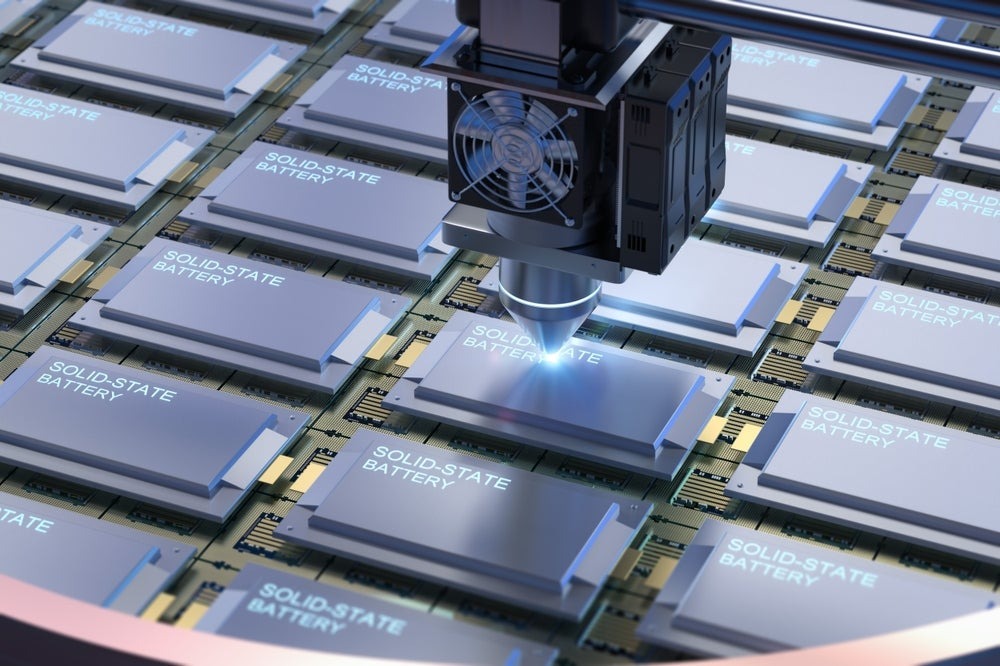
Solid-state batteries replace the liquid electrolyte used in conventional lithium-ion batteries with a solid material.
Solid-State Battery Technology
Why this matters for India
• Higher safety with reduced fire risk
• Potentially higher energy density for longer range
• Better performance in high temperatures
• Longer lifespan
Challenges remain, including high production cost and difficulty in mass manufacturing. Solid-state batteries are unlikely to appear in affordable Indian EVs immediately, but they are expected to influence premium EVs and long-term research programs.
Lithium Iron Phosphate (LFP) Improvements
LFP batteries are already used in India, but innovation continues to improve them further.
Future improvements include
• Higher energy density without increasing size
• Faster charging capability
• Improved cold and heat tolerance
• Longer cycle life
Because LFP batteries do not use cobalt, they are more affordable and safer, making them ideal for Indian mass-market EVs, including two-wheelers and fleet vehicles.
Sodium-Ion Battery Technology
Sodium-ion batteries are emerging as one of the most promising future battery technologies for India.
Why sodium-ion is important for India
• Sodium is abundant and low-cost
• Reduced dependence on lithium imports
• Better performance in extreme temperatures
• Lower environmental impact
While sodium-ion batteries currently offer lower energy density than lithium-ion, they are well suited for short-range EVs, scooters, buses, and stationary storage. Several Indian research institutions are actively exploring this technology.
Battery Swapping and Modular Batteries
Innovation is not limited to chemistry alone. Battery swapping is becoming an important part of India’s EV ecosystem.
How battery swapping supports innovation
• Reduces upfront EV cost
• Eliminates long charging wait times
• Allows shared battery ownership
• Simplifies battery replacement
Modular battery designs are especially useful for electric two-wheelers and delivery fleets operating in urban areas.
Advanced Battery Management Systems (BMS)
Future EV batteries in India will rely heavily on smarter software.
Modern BMS innovations include
• Real-time temperature monitoring
• Predictive health analysis
• Optimized charging and discharging
• Remote diagnostics and updates
A strong BMS improves safety, extends battery life, and reduces long-term ownership costs without changing battery chemistry.
Battery Recycling and Second-Life Use
India is placing increasing focus on battery recycling and reuse, which is a critical part of future EV sustainability.
Key developments include
• Recovery of lithium, nickel, and other materials
• Reuse of old EV batteries for solar and backup storage
• Reduced environmental impact of battery disposal
As EV adoption grows, recycling will play a major role in keeping battery costs under control.
Comparison of Future EV Battery Technologies in India
| Battery Innovation | Cost Impact | Safety | Suitability for India | Timeframe |
| Solid-State | High initially | Very High | Long-term premium EVs | Long-term |
| Improved LFP | Low | High | Mass-market EVs | Near-term |
| Sodium-Ion | Very Low | High | Two-wheelers, fleets | Mid-term |
| Battery Swapping | Reduces upfront cost | High | Urban EVs | Near-term |
| Advanced BMS | Low | High | All EV segments | Immediate |
This table shows that no single technology will dominate, but each will serve different needs.
Role of Government and Industry in India
India’s EV battery innovation is supported by policy initiatives, incentives for local manufacturing, and public-private partnerships.
Key goals include
• Building domestic battery manufacturing capacity
• Reducing import dependency
• Encouraging research and innovation
• Supporting affordable EV adoption
These efforts are expected to strengthen India’s position in the global EV supply chain.
What This Means for EV Buyers in India
For everyday buyers, battery innovation means gradual but meaningful improvements.
In the short term
• More affordable EVs
• Better safety and reliability
• Longer battery warranties
In the long term
• Faster charging
• Longer driving range
• Lower battery replacement cost
• Improved resale value
Consumers do not need to wait for “perfect” batteries. Each year brings practical improvements.
Common Myths About Future EV Batteries
There are several misconceptions worth clearing up.
Myth1: New batteries will make current EVs obsolete
Reality: Existing EVs remain usable and supported.
Myth2: Solid-state batteries will arrive very soon
Reality: Mass adoption will take time.
Myth3: Battery replacement will always be expensive
Reality: Costs are expected to decline with scale and recycling.
Environmental Impact of Future Battery Innovations
Future battery technologies aim to reduce environmental impact by
• Using fewer rare materials
• Increasing battery lifespan
• Improving recycling efficiency
• Supporting renewable energy integration
While no battery is impact-free, innovation is steadily improving sustainability.
Read Also: Latest Electric Pickup Trucks Coming to the USA
Frequently Asked Questions
What is the most promising EV battery technology for India
Improved LFP and sodium-ion batteries are currently the most promising for mass adoption.
Will EV battery prices reduce in the future
Yes, gradual cost reduction is expected as manufacturing scales up.
Are solid-state batteries coming to India
They are likely to appear first in premium segments before mass adoption.
Will battery swapping become common
It is expected to grow, especially for two-wheelers and delivery fleets.
How long will future EV batteries last
Most next-generation batteries are designed for longer cycle life and durability.
Should buyers wait for new battery technology
If you need a vehicle now, current EVs are already practical. Improvements will continue gradually.
Conclusion
Future EV battery innovations in India are shaping a more affordable, safer, and sustainable electric mobility ecosystem. From improved LFP batteries and sodium-ion research to smarter battery management systems and recycling solutions, India’s EV battery landscape is evolving on multiple fronts.
These innovations will not change everything overnight, but they will steadily remove barriers such as high cost, safety concerns, and limited lifespan. For Indian consumers, this means EVs will become increasingly practical with each passing year.
As technology matures and local manufacturing grows, battery innovation will be the key factor that unlocks widespread EV adoption in India, making electric mobility a realistic option for millions of people across the country.
Related stories Keep reading
 EV Battery TechLFP vs NMC EV Batteries: Which Chemistry is Best for Indian Summers? Thermal Runaway, Cycle Life & DegradationNov 5, 2026 · 6 min read
 EV Battery TechUnderstanding C-Rate in EV Fast Charging: How 0.5C vs 3C Charging Speeds Impact Lithium Cell Lifespan & WarrantyOct 23, 2026 · 7 min read
 EV Battery TechHow Extreme Indian Heat Affects EV Batteries: Thermal Runaway Science, Liquid Glycol Cooling & 5 Summer Care RulesOct 23, 2026 · 7 min read
Pingback: Next-Generation EV Battery Technology in the USA - evfacts.in